
Autism and Sleep Problems
Why disrupted sleep is common, and how understanding the brain can help families move forward
Sleep problems are one of the most common—and exhausting—challenges families face when a child has autism. Difficulty falling asleep, frequent night waking, early mornings, and irregular sleep patterns can affect not only a child’s mood and behavior but the entire family’s well-being.
Understanding why sleep problems are so common in autism is the first step toward finding meaningful support.
What Are Sleep Problems in Autism?
Sleep problems in autism refer to ongoing difficulties falling asleep, staying asleep, or maintaining a regular sleep–wake cycle. These challenges are common in children on the autism spectrum, and often relate to differences in brain regulation, sensory processing, and circadian rhythm rather than behavior alone.


When to Seek Additional Support
If your child’s sleep problems are:
- Ongoing
- Affecting daily functioning
- Creating significant stress for your family
…it may be time to explore options beyond basic sleep hygiene alone.
Why Are Sleep Problems Common in Autism?
Sleep difficulties in autism are not simply behavioral. They are often linked to the brain’s regulation of arousal, sensory input, and biological rhythms.
Common contributing factors include:
- Differences in brain regulation and arousal levels
- Sensory sensitivities to light, sound, temperature, or touch
- Disruptions in circadian rhythm and melatonin release
- Anxiety or nighttime hypervigilance
Brain Regulation and Arousal
Many individuals with autism experience differences in how the brain transitions between alertness and rest. This can make it difficult for the brain to “power down” at night, even when the body is physically tired.
Sensory Sensitivities
Heightened sensitivity to sound, light, temperature, or touch can interfere with both falling asleep and staying asleep — especially in quiet nighttime environments where sensations feel more intense.
Circadian Rhythm Differences
The brain’s internal clock, which helps regulate sleep–wake cycles, may function differently in autism. This can affect melatonin release and make sleep timing unpredictable.
Anxiety and Hypervigilance
Underlying anxiety or heightened alertness can make nighttime feel unsafe or overstimulating, contributing to delayed sleep onset and frequent waking.
How Poor Sleep Affects Children With Autism
When sleep is disrupted, families often notice:
- Increased irritability or emotional outbursts
- Difficulty with attention, learning, and focus
- Worsening sensory sensitivities
- Increased repetitive behaviors
- Reduced ability to cope with transitions or stress
Improving sleep can often lead to positive changes across multiple areas, even when sleep is not the primary concern.

Rethinking Sleep Support in Autism
Traditional approaches to sleep often focus on routines, supplements, or medications. While these strategies may help some children, they do not always address why the brain is struggling to regulate sleep.
A brain-based approach looks deeper at how brain activity patterns may be contributing to disrupted sleep cycles.
The Role of EEG Brain Mapping
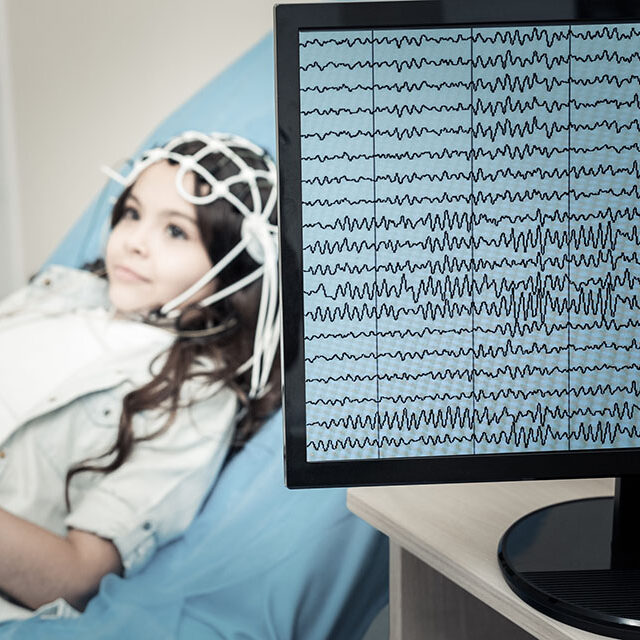
EEG brain mapping allows clinicians to observe how different areas of the brain function and communicate, including patterns related to arousal, regulation, and rest.
In children with autism and sleep challenges, EEG data may reveal:
- Overactive brain regions during rest
- Difficulty transitioning into slower brainwave states
- Imbalances that interfere with restorative sleep
This information helps guide more personalized care rather than relying solely on trial-and-error.
Supporting Sleep Through Individualized Brain-Based Care
At Brain Treatment Glenview, we often address sleep concerns as part of a broader, individualized approach to brain regulation.
Using EEG-guided insights, we tailor our care plans to the child’s unique brain activity patterns, with the goal of supporting healthier regulation, including the brain’s ability to rest.
Families often explore this type of care when:
- Sleep issues persist despite consistent routines
- Night waking or insomnia affects daytime functioning
- Sleep problems contribute to behavioral or emotional challenges


What Improvements Might Families Notice?
Every child is different, but families pursuing brain-based care for sleep concerns often report:
- Falling asleep more easily
- Fewer night wakings
- Longer, more consistent sleep
- Improved daytime mood and emotional regulation
Changes may occur gradually as the brain develops healthier patterns.
“Mikey suffered from going to bed at 1:40, 2:40, 3:40… it was rough on us parents because we have to work — and I had to stay up with my son. On a good night, we would go to bed at 11. While we have been here receiving treatment, Mikey has not gone to bed any later than 9:00, and the earliest he’s gone to bed is 8:00 sharp. And he sleeps through the whole night and wakes up on his own around 7:30 or 8:30. He wakes up energized, not grumpy, and he’s ready for the day.
“Don’t be discouraged by anybody telling you there’s nothing you can do for your child. There’s a lot more you can do.” – Adriana, a parent whose child received MeRT treatment for autism
Autism and Sleep Problems FAQs
Is it normal for children with autism to have sleep problems?
Yes. Sleep problems are very common in autism and are often related to differences in brain regulation, sensory processing, and circadian rhythm rather than parenting or routines alone.
Can sleep problems make autism symptoms worse?
Poor sleep can intensify challenges with mood, attention, sensory sensitivities, and emotional regulation, making daily functioning more difficult.
Are sleep medications the only option for autism-related sleep issues?
No. While medications or supplements may help some children, many families explore brain-based or regulatory approaches that address underlying neurological patterns.
When should parents seek help for autism-related sleep problems?
Families may consider additional support when sleep problems are persistent, affect daytime behavior, or place significant strain on the child or household.
Talk With a New Patient Coordinator
If your child with autism is struggling with sleep, you don’t have to navigate it alone.
Our New Patient Coordinator can:
- Answer questions about sleep challenges and brain-based care
- Explain the evaluation process
- Help determine whether further testing may be appropriate
Contact Brain Treatment Glenview to learn more about the next steps.
Or fill in the form below, and we will contact you.