When Depression Doesn’t Improve With Medication
Depression is a serious medical condition that can affect energy, concentration, sleep, relationships, and overall well-being.
While antidepressant medications help many people, others may find them ineffective, difficult to tolerate due to side effects, or inconsistent with their personal treatment preferences.
If you feel stuck, you are not alone. And there are additional treatment options available.
FDA-approved for Depression
Noninvasive Treatment
Medication-free
TRICARE & Medicare Accepted
Insurance Coverage for rTMS
TRICARE covers FDA-approved rTMS for Major Depressive Disorder when medical necessity criteria are met. You may qualify if:
- You have been diagnosed with depression
- You have tried antidepressant medications without adequate relief
- A physician determines that rTMS is appropriate
Our team will verify your benefits and guide you through the approval process.

Medicare also covers FDA-approved rTMS for Major Depressive Disorder when medical necessity criteria are met. This includes patients enrolled in TRICARE for Life. You may qualify if:
- You have a diagnosis of Major Depressive Disorder
- Antidepressant medications have not provided sufficient improvement
- A physician determines that rTMS is medically appropriate
We will review your benefits and confirm eligibility before treatment begins.
What Happens Next?
- Submit the short form below
- We verify your insurance benefits (TRICARE, TRICARE for Life, or Medicare)
- Schedule your consultation
- Begin treatment if approved
Clear. Direct. No pressure.
Check Your Eligibility
Complete this form, and our team will contact you to review your coverage and next steps. There is no obligation, and your data is secure.
Frequently Asked
Does insurance really cover rTMS?
Yes, TRICARE, TRICARE for Life, and Medicare cover rTMS for Major Depressive Disorder when eligibility criteria are met.
Are there side effects?
rTMS is generally well tolerated, with mild scalp discomfort or headache, which dissipates, being the most common side effect.
Is rTMS safe?
Yes. rTMS is FDA-approved as a treatment for depression and has been safely used for over a decade.
Does it hurt?
It is painless. Most patients report a light tapping sensation on the scalp.
Physician-Led Depression Care in Glenview
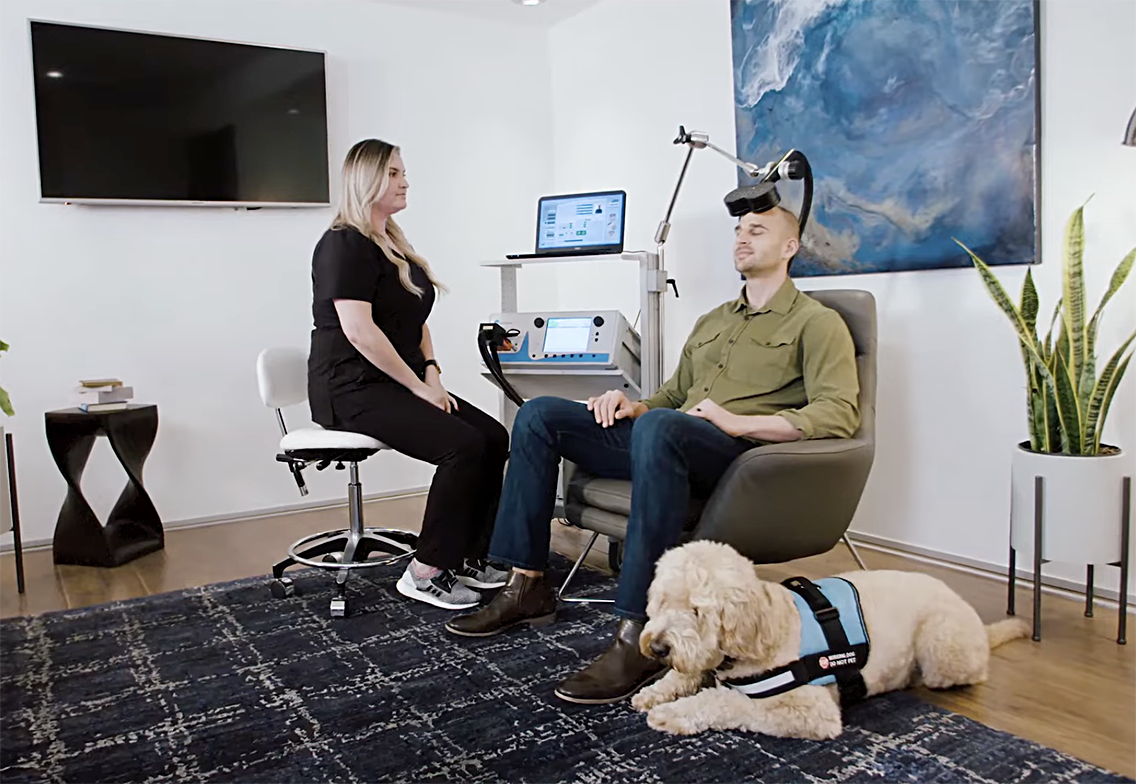
Your evaluation and treatment are overseen by a licensed physician experienced in neuromodulation and depression care. Every patient receives a comprehensive medical assessment to determine whether rTMS is appropriate before treatment begins.
“After a month of treatment, I was grateful to be depression-free and medication-free for the first time in a very long time.”
—Veteran after rTMS treatment
FDA-approved | TRICARE & Medicare Accepted | Non-Invasive
You’ve Served. Now Let’s Focus on Your Healing.
If depression hasn’t improved with medication, TRICARE and Medicare-covered rTMS may be your next step.
Backed by Independent Clinical Research
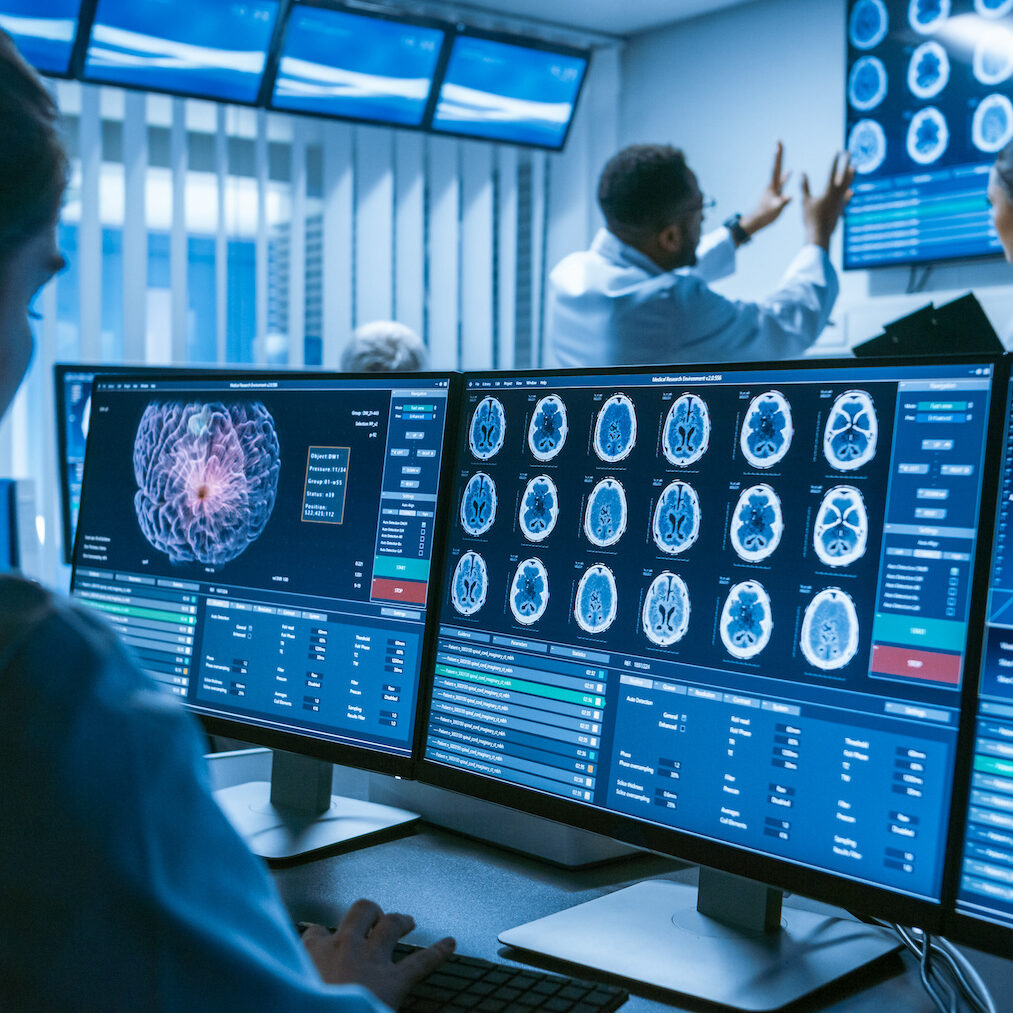
Repetitive Transcranial Magnetic Stimulation (rTMS) is supported by a substantial and growing body of peer-reviewed research.
Multiple randomized controlled trials, meta-analyses, and large observational studies have showed significant reductions in depressive symptoms, meaningful remission rates, and strong safety outcomes, particularly in those who have not responded adequately to medication.
The therapy’s FDA clearance reflects this clinical evidence base, and ongoing research continues to refine treatment approaches for both civilian and military populations.
Selected Research Highlights
Military-Focused Study in Active-Duty Service Members (June 2024) – Reported significant reduction in PTSD and depression symptoms with alpha-guided rTMS, supporting its application in military populations.
Adjunctive rTMS After Two Medication Failures (July 2023) – Findings showed clinically meaningful antidepressant effects, with evidence supporting remission in some patients when used alongside medication.
Psychiatric News (October 2022) – After reviewing a decade of outcome studies, researchers concluded that TMS should be considered alongside pharmacotherapy and psychotherapy as a first-line treatment for moderate to severe Major Depressive Disorder.
Meta-analysis of 65 Randomized Controlled Trials (October 2022) – Data from nearly 3,000 patients confirmed rTMS as effective in improving symptom reduction, response rates, and remission in depression.
Scoping Review of Treatment-Resistant Depression (June 2022) – 16 of 17 studies reviewed found rTMS to be effective, safe, and well tolerated in individuals with treatment-resistant depression.
Multisite Observational Study (2013) – Demonstrated significant improvements not only in depressive symptoms but also in quality of life and functional outcomes in routine clinical practice.
Stanford Accelerated TMS Study (2021) – A controlled trial reported remission in nearly 80% of participants using targeted, accelerated stimulation protocols.
Long-Term Evidence Reviews (2019–2022) – Consistently concluded that rTMS is an effective and safe treatment option for Major Depressive Disorder, including treatment-resistant cases.
Want to Know More?
Read more about TMS for Depression here…